
German Supply Chain Due Diligence Act 2024: New Statutory Obligations for the Energy Sector

A Building Block for the Energy Transition — Direct Marketing of Renewable Energy Plants
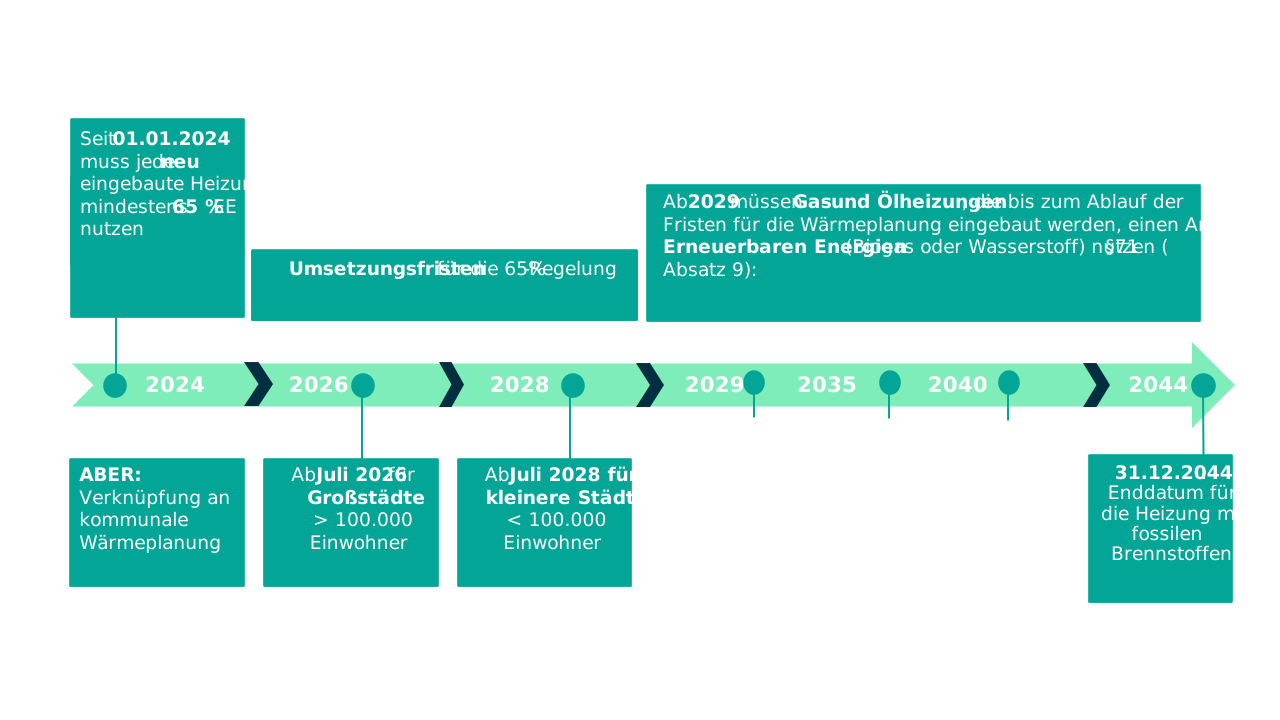
New builds & existing buildings
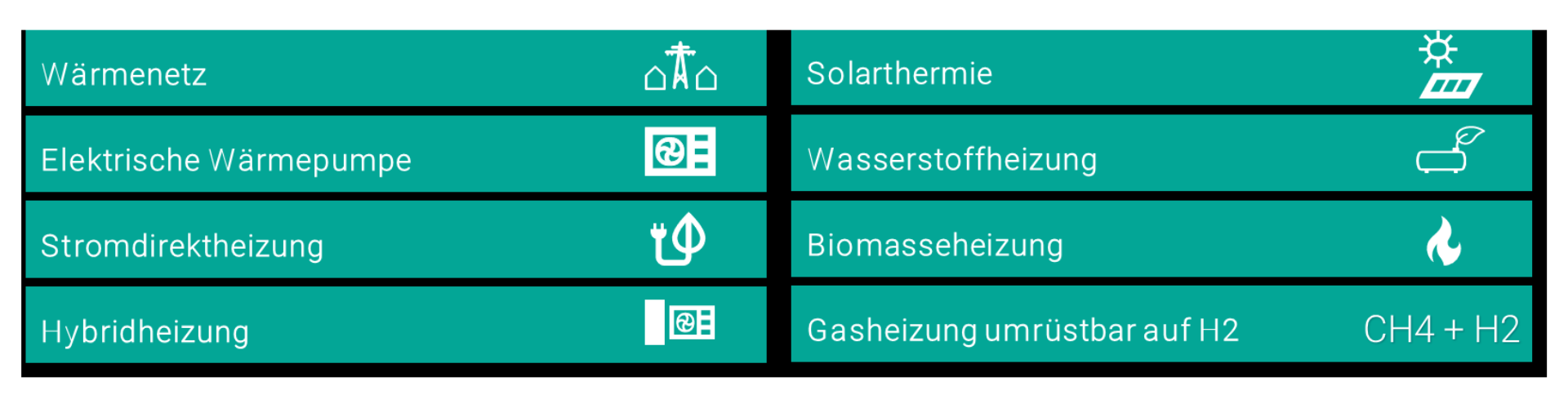
What alternatives are available?
Climate bonuses for a faster start to the heating transition
The Federal Funding for Efficient Buildings (BEG) has been updated and thus came into force on 01.01.2024 at the same time as the Heating Act.
The basic subsidy for all owner-occupiers is a uniform 30% of the costs for the heating exchange. This can be combined with further subsidies.
- Speed bonus – an additional 20% on top of the basic subsidy if citizens are not obliged to replace their heating due to an exemption but do so anyway.
- Low-interest loan offer – for applicants with a taxable household income of up to €90,000/year.
- Income-dependent bonus – an additional 30% on top of the basic subsidy for owner-occupiers with a taxable household income of €40,000/year.
The total funding must not exceed 70% of the costs for the heating exchange. In addition, the maximum eligible investment costs are €30,000 for a single-family home or for the first residential unit in a multi-party building. From 27.02.2024, funding for a heating exchange for single-family homes can be applied for at KfW.
In addition, grants for efficiency measures still apply.
Furthermore, protection for tenants stipulates that the basic rent may increase by a maximum of 50 cents/m2 per month after a heating exchange.
The Building Energy Act presents the energy sector with new challenges, such as a lack of H2 infrastructure and a shortage of climate-neutral hydrogen. At the same time, the GEG offers new opportunities for decarbonisation and sustainability.