Active April – Charity Run for Ocean Protection

Active April – Charity Run for Ocean Protection
Active April – Charity Run for Ocean Protection
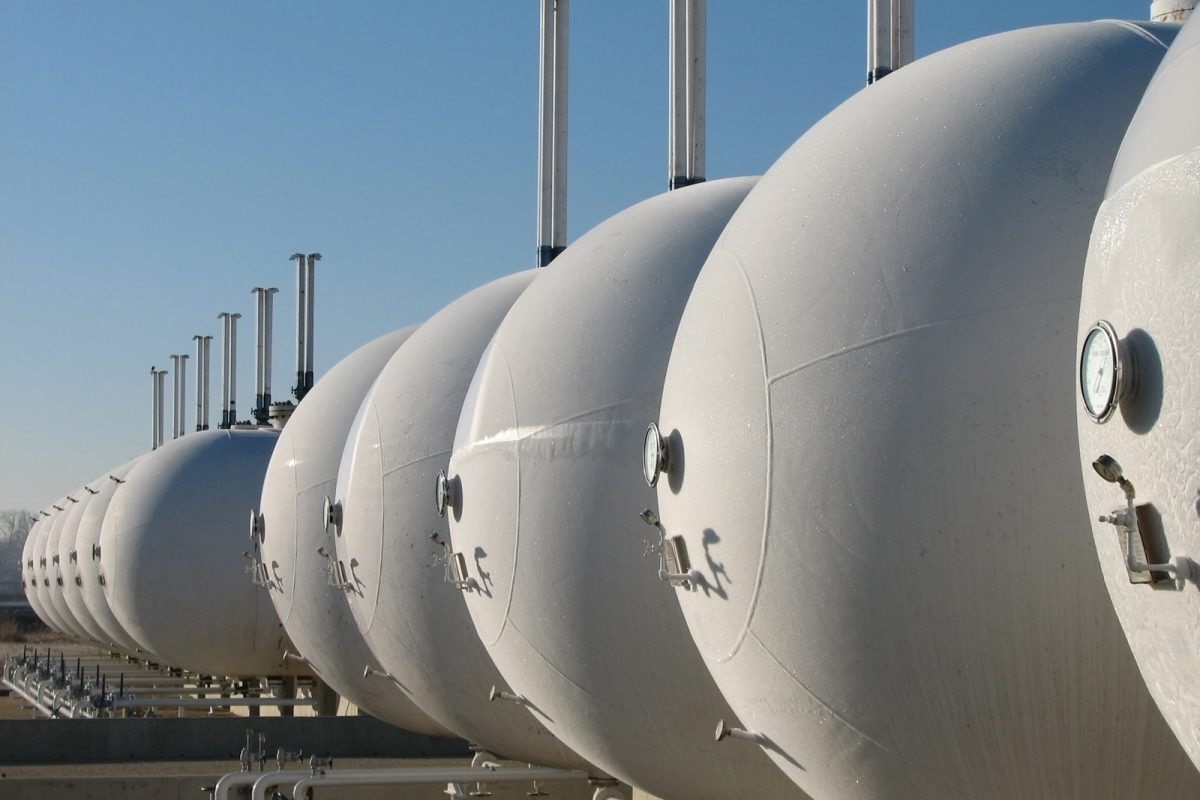
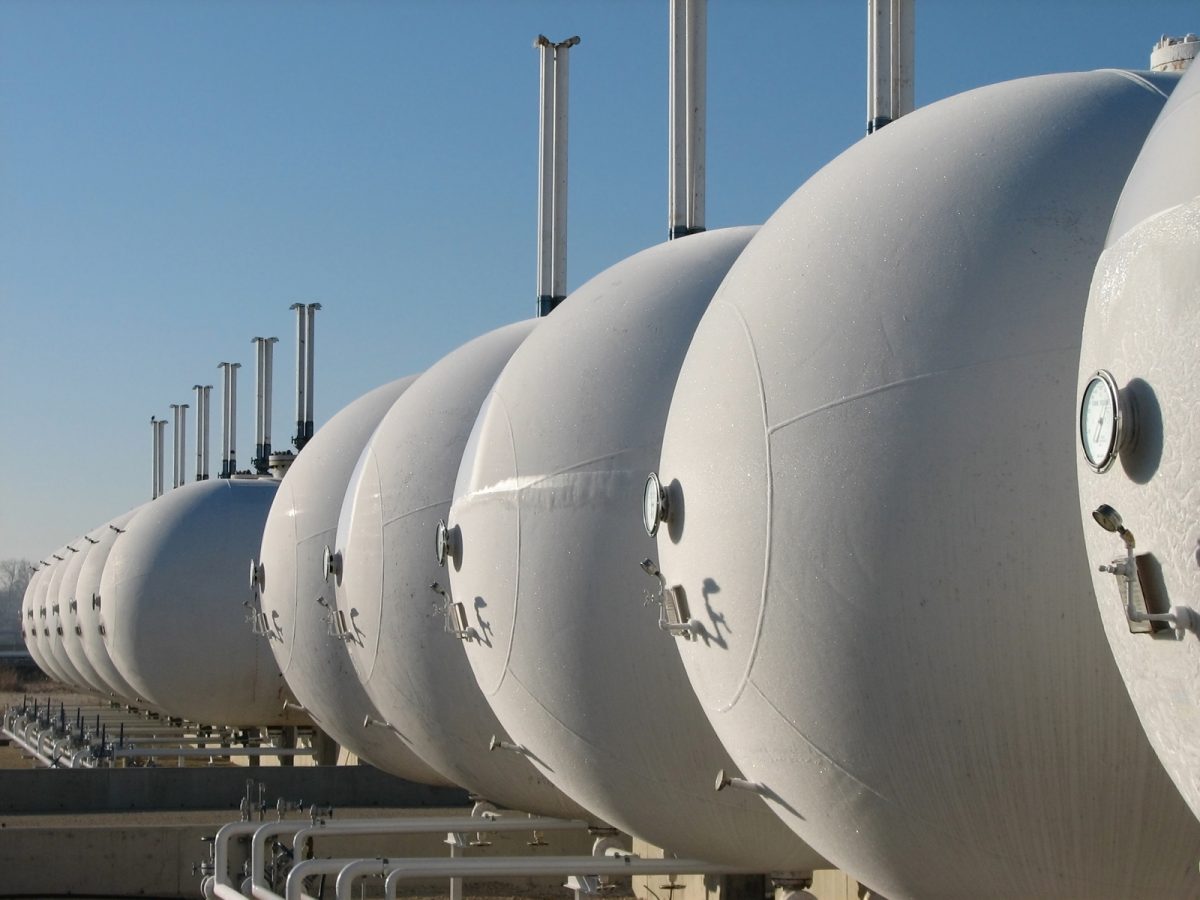
If you have been following the energy industry over recent months and years, you will have noticed that one keyword is increasingly dominating the news: hydrogen (H2). But what exactly is it all about, and why is H2 such a trending topic?
Currently, H2 is the only way to store renewably generated energy in large quantities. Furthermore, H2 can be used in industrial processes, such as in the chemical and metal industries, helping to decarbonise these emission-intensive sectors.
Another area of application for H2 is in mobility, through the use of fuel cells. The aviation and shipping sectors, in particular, have high hopes for H2 as a fuel, as no low-emission alternatives to fossil fuels have been available until now.
For H2 to make a significant contribution to the energy transition, two interdependent conditions must essentially be met: firstly, the capacities for producing green hydrogen (made from renewable energies) must be significantly increased. However, as Germany's demand for H2 exceeds its own production capabilities for green electricity, larger quantities of H2 will
have to be imported from other countries, for example in North Africa. On the other hand, green H2 must become more affordable. Currently, the production of green H2 is still significantly more expensive than the production of H2 generated using fossil fuels. However, a very favourable development for green hydrogen is expected in the coming years, particularly regarding CO2 prices, efficiency, and investment costs for production plants.
“Ultimately,
the success of
hydrogen will
always be a
matter of cost.”
For this reason, significant investments are currently being made in the promotion of H2 projects. The EU, federal, and state governments have launched numerous multi-billion euro funding programmes aimed at accelerating the development of a hydrogen economy. This is one of the areas where PSvdL makes a contribution. Through our knowledge of the H2 funding landscape, we can help companies identify the optimal funding programme for their projects – thereby helping to finance and implement them. Furthermore, PSvdL can also support companies active in the H2 market with its many years of energy market expertise, for example, through knowledge of the relevant stakeholders, regulatory requirements, or (market) processes.
Even if the exact areas of application for hydrogen are still uncertain, it will certainly make a massive contribution to the success of the energy transition. We are still at the beginning of building a European hydrogen economy – and PSvdL, a member of the European Clean Hydrogen Alliance, has been at the forefront from the very start.
Related posts
Utilities in
transition
How are energy utilities and municipal utilities positioning their heating business for the future? Our new industry analysis highlights key trends, challenges, and success factors: from transformation planning and new heating products to the digitalisation of the value chain.