
Gas Market Area Consolidation – Germany at the Forefront of Europe

Teams, GarageBand and Two Microphones – How Our Internal Company Podcast Came to Be
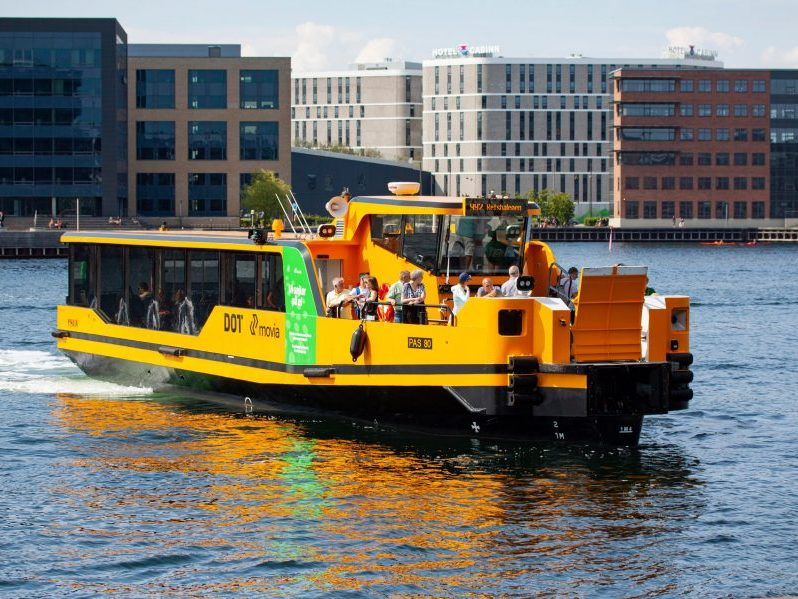
Electric Mobility on the Water
15 December 2021
In Germany and Europe, electric mobility has long ceased to be a niche trend or an insider tip; it is now an omnipresent part of road transport. The situation is different when looking at other areas of mobility, such as shipping, which we will examine in this magazine article.
Shipping causes approximately one billion tonnes of CO2 globally per year, accounting for around 2.5% of global greenhouse gas emissions. For comparison: if global shipping were a country, it would rank sixth among the largest CO2 emitters, pushing Germany into seventh place with approximately 750 million tonnes.
To decarbonise this part of the mobility sector, many different approaches are being pursued worldwide. In international shipping in particular, green methanol and ammonia, alongside hydrogen, are delivering promising results, leading major shipping companies to invest significant capital in the research and development of new propulsion systems.
Norway has equipped its inland waterways with charging infrastructure
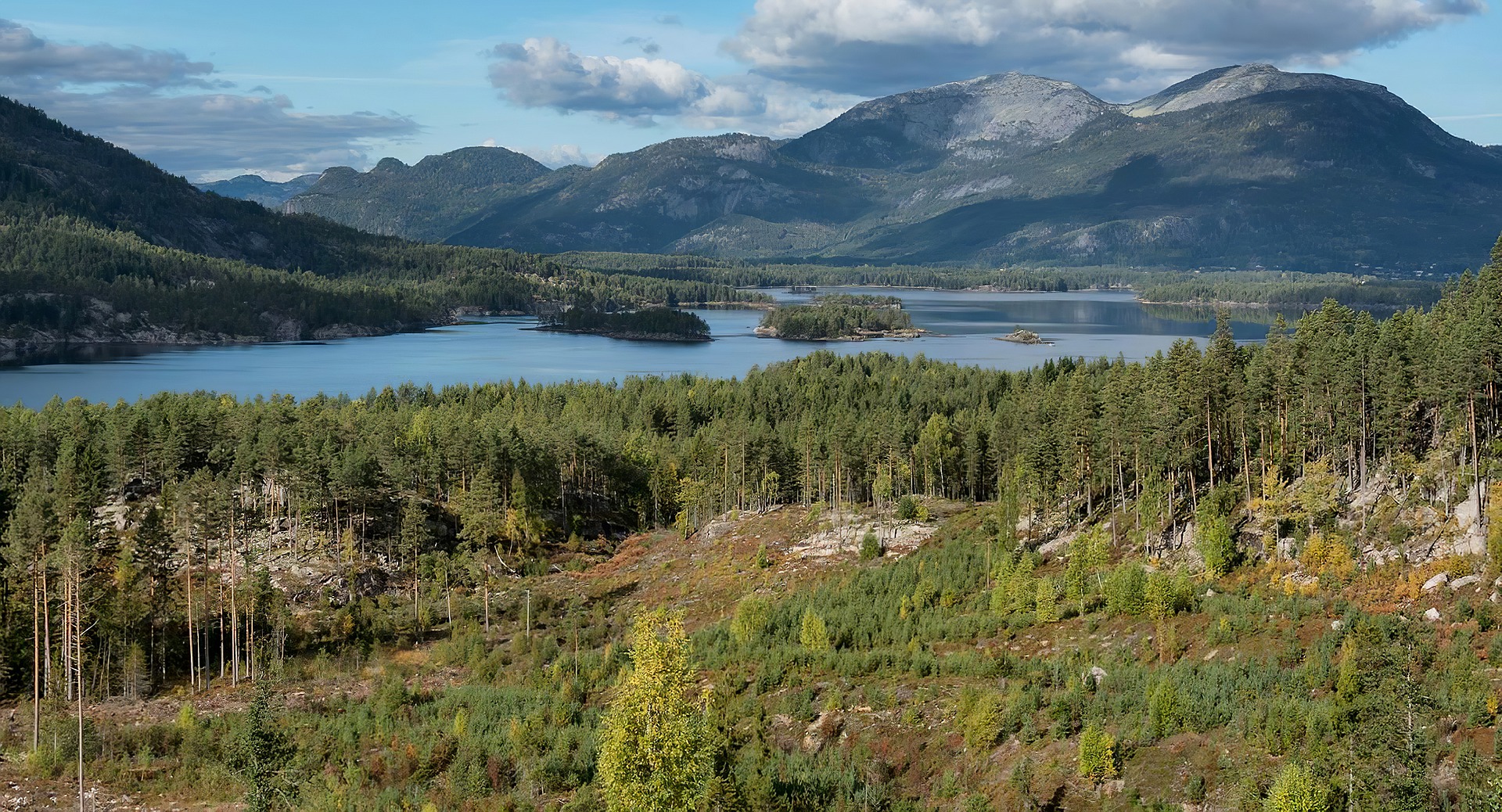
In inland navigation or on short, repetitive routes in coastal regions, electric mobility offers a strong alternative. As with road transport, the Norwegians are the pioneers here. The 105 km long Telemark Canal, often cited as one of Europe's most beautiful canals, is home to Europe's first purely electric charter base. The boats available for hire there can be driven for 8 hours a day at the maximum permitted speed
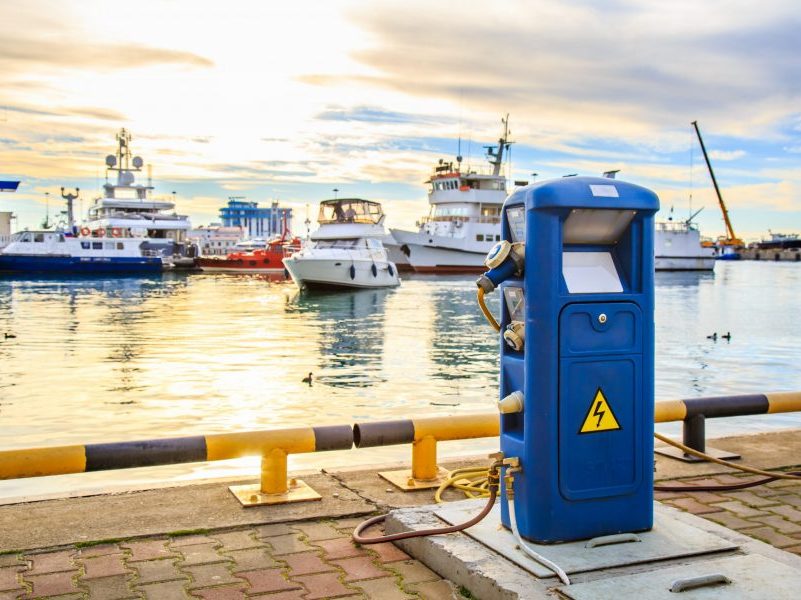
before the batteries are recharged in the next port at up to 80 kW. This brings us to the reason why a beautiful and environmentally sound one-week family holiday is possible there – the infrastructure. Many Norwegian ports are already equipped with charging points and, perhaps even more importantly, are connected to the power grid with the necessary capacity.


“If global shipping were a country, it would rank sixth among the largest CO2 emitters, pushing Germany into seventh place with approximately 750 million tonnes.”
Electric boats and their infrastructure are a growth market in Germany and Europe
In Germany, electric mobility on the water is still a niche phenomenon, visible only on a few ferry connections and individual lakes with strict nature conservation regulations. Examples include Lake Ammersee and Lake Starnberg, where nearly 1,500 electric motorboats are registered alongside 255 motorboats with internal combustion engines. In many ports in Germany and Europe, electrical installations and ‘shore power’ are still designed for conventional boats
and are therefore just sufficient to keep a refrigerator or perhaps an air conditioning system running overnight. Very few ports are currently designed to charge multiple electric boats. This concerns not only technical aspects such as sufficient grid connection, electricity meters, and circuit protection, but also the lack of backend systems that enable simple authentication and billing of the kWh consumed.

A market is emerging here in which energy suppliers can establish themselves as points of contact and utilise the expertise gained from electric mobility on the road. Technically and procedurally, significant synergy effects can be harnessed to simplify the transition to electric mobility for approximately 500,000 private boat owners as well as professional inland shipping in Germany.
If you are interested in this exciting topic, please feel free to contact us!
Related posts