
Data availability as the key to the municipal heat transition

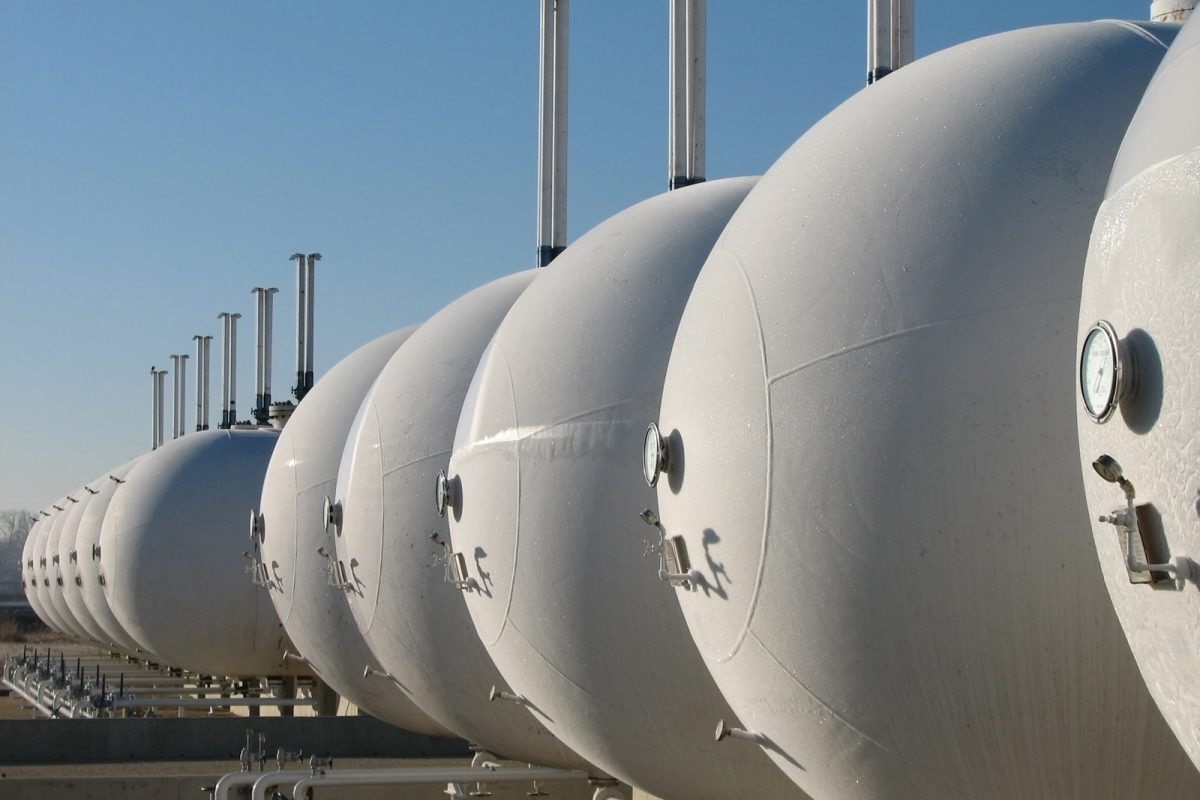
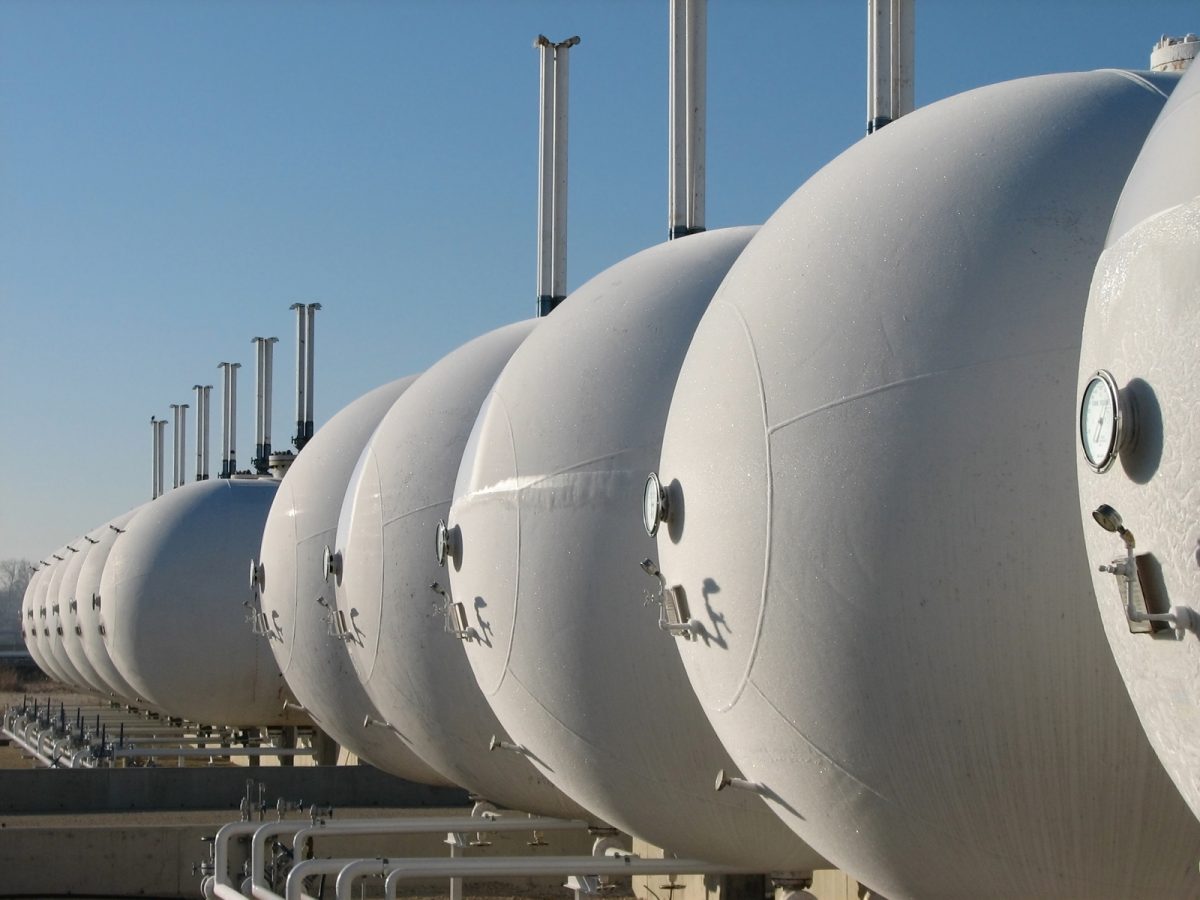
H2 Storage: Background, Assessments & Recommendations
Section 14a EnWG Implementation: Background and Legal Framework
Grid-oriented control is governed by Section 14a of the German Energy Industry Act (EnWG) and the determinations of the Federal Network Agency (Bundesnetzagentur). Controllable consumption devices within the meaning of Section 14a EnWG include heat pumps, private EV wallboxes, air-conditioning units, and battery storage systems. In return for controllability, consumers receive reduced grid charges, divided into three charge modules.
For energy supply companies, this means new products, new processes, and rising customer expectations – all at the same time.
Customer Service: Preparing at an Early Stage
The range of topics in customer service is expanding once again. Even if there is currently no noticeable surge in enquiries, an increase is only a matter of time as controllable consumption devices proliferate – the electrification of the heating and transport sectors is a key pillar of the energy transition and presents distribution grids with substantial challenges.
Taking action early reduces future bottlenecks:
- Provide clear information – e.g. sample invoices and straightforward explanations on the website
- Prepare digital touchpoints – integrate relevant Section 14a data into customer service and self-service interfaces
- Empower teams – train service agents specifically on these new enquiries
Sales & Product Design: Implementing Discount Logics Accurately
Existing products are only partially compatible with the new regulations under Section 14a EnWG. Discount logics and product eligibility checks must be implemented soundly to prevent discrepancies in grid usage billing.
Module 3 is particularly demanding: Module 3 requires a controllable consumption device connected to the electricity grid via an intelligent metering system (smart meter). The dynamic grid fees of this module require correspondingly sophisticated product architectures.
Module Switching: Practical Section 14a EnWG Implementation in Everyday Utility Operations
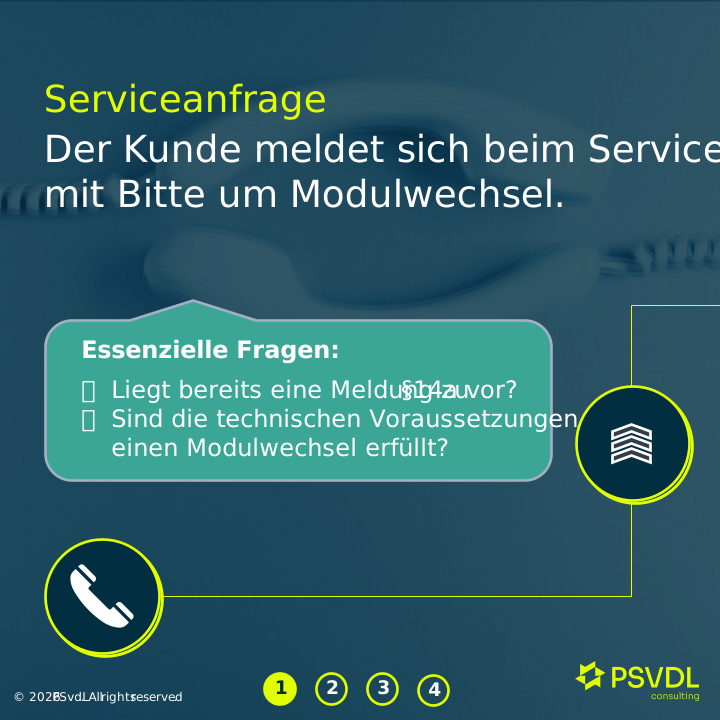
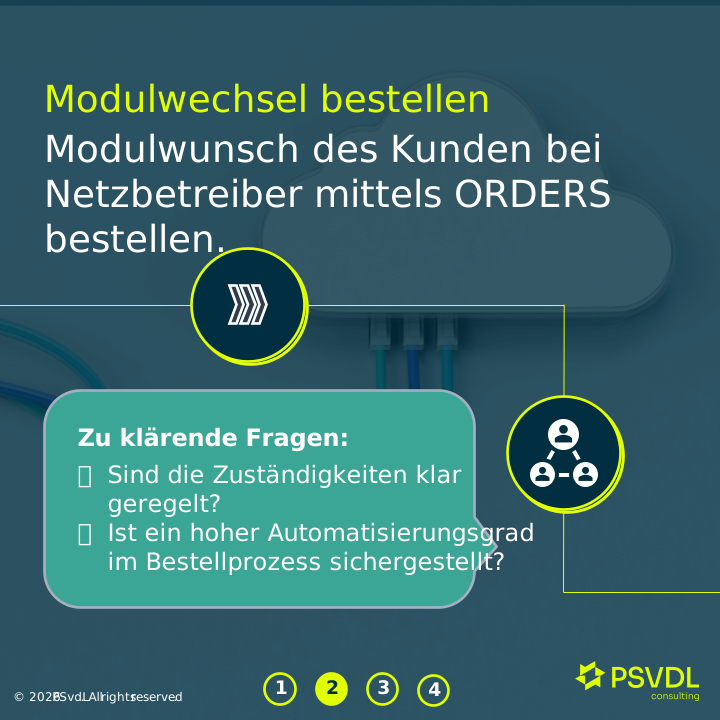
A subsequent module switch can be requested via the electricity supplier. In principle, consumers have the right to choose between modules, subject to the respective technical prerequisites.
For utility-led switching processes, the following verification steps are mandatory:
- Section 14a eligibility verified? (New regulation applicable from 2024)
- Technical metering connection requirements fulfilled at the metering point (MeLo)?
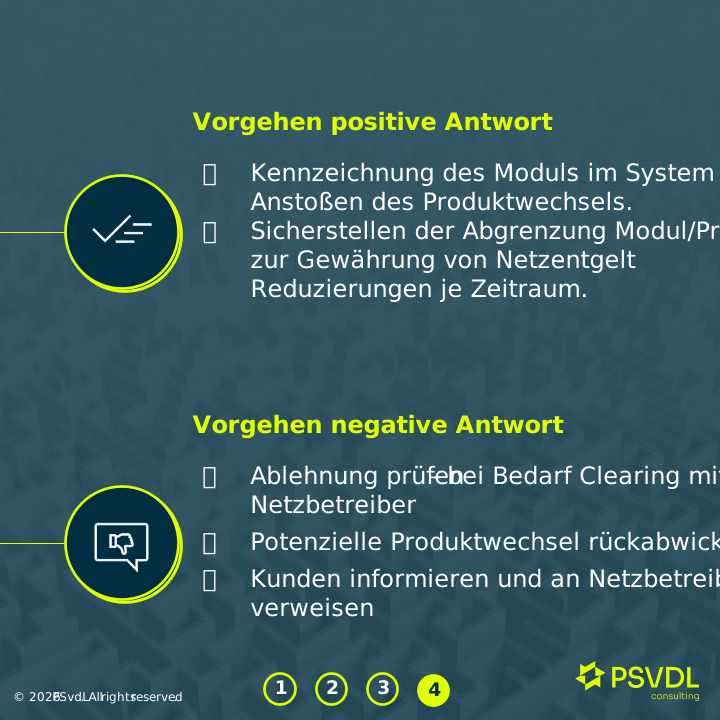
- Product eligibility check: Is the current product compatible with the requested module?
- If yes → initiate module switch
- If no → suggest product change, then initiate module switch
- Are internal responsibilities for the switching process clearly defined?
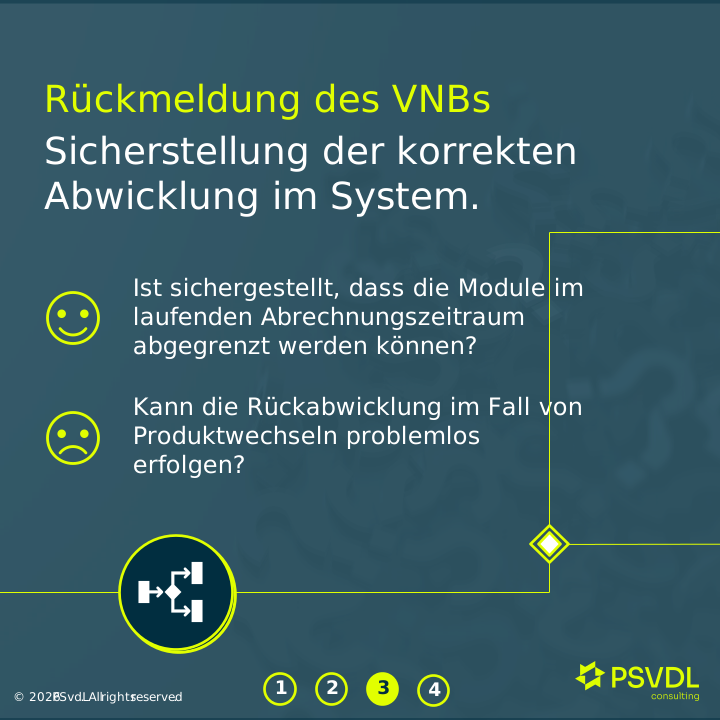
The grid charge reductions of the individual modules are passed on to the customer in their invoice – provided, however, that the appropriate initial notification was submitted by the installer and the reduction is actually applied by the grid operator. Errors in this process directly cause billing discrepancies and customer queries.
Our Conclusion
The implementation of Section 14a EnWG is not a peripheral issue. It affects not only distribution grid operators, but also utilities right across the board – particularly in customer service and sales. Establishing processes, systems, and communications early on ensures efficiency and customer satisfaction.